

Hey there! I'm part of a mine slurry pump supply crew, and let me tell you, picking the right gate valve for a mine slurry pump system is no walk in the park. It's a crucial decision that can make or break your system's performance. So, let's dive into how you can make an informed choice.
Understanding the Basics
First off, you gotta understand what a gate valve does. A gate valve controls the flow of fluid by raising or lowering a gate inside the valve body. In a mine slurry pump system, it's used to start, stop, or regulate the flow of slurry – that thick, gritty mixture of water and solid particles.
The slurry in mines is usually abrasive and can be pretty harsh on equipment. So, the gate valve you choose needs to be tough enough to handle this rough stuff without wearing out too quickly.
Factors to Consider
1. Material
The material of the gate valve is super important. Since the slurry is abrasive, you want a valve made from a material that can resist wear and tear. Stainless steel is a popular choice because it's durable and corrosion-resistant. Another option is cast iron, which is strong and cost-effective, but it might not be as good at handling corrosion as stainless steel.
Some valves also have a lining made of rubber or other polymers. These linings can provide an extra layer of protection against abrasion. For instance, a Centrifugal Rubber-lined Slurry Pump often works well with a gate valve that has a rubber lining to protect both the pump and the valve from the abrasive slurry.
2. Size
Getting the right size of the gate valve is crucial. If the valve is too small, it can restrict the flow of slurry, causing the pump to work harder and potentially leading to damage. On the other hand, if it's too large, it might not provide accurate control over the flow.
To determine the right size, you need to consider the flow rate of your mine slurry pump system. You can usually find the flow rate in the pump's specifications. Make sure the valve's size matches the pipe diameter in your system as well.
3. Pressure Rating
Mines often have high-pressure environments, so the gate valve needs to be able to handle the pressure. Check the pressure rating of the valve and make sure it can withstand the maximum pressure in your system. If the valve can't handle the pressure, it could leak or even fail, which can be a huge headache.
4. Operating Conditions
Think about the operating conditions of your mine slurry pump system. Is the slurry hot or cold? Does it contain any chemicals that could react with the valve material? Understanding these conditions will help you choose a valve that can perform well in your specific environment.
For example, if the slurry is hot, you need a valve material that can tolerate high temperatures. Similarly, if there are chemicals in the slurry, make sure the valve is resistant to corrosion caused by those chemicals.
Types of Gate Valves
1. Parallel Slide Gate Valves
These valves have two parallel gates that move up and down to control the flow. They're great for applications where you need a tight seal, like in high-pressure mine slurry pump systems. The parallel design helps to distribute the pressure evenly, reducing the risk of leakage.
2. Wedge Gate Valves
Wedge gate valves have a wedge-shaped gate that fits into a seat to stop the flow. They're commonly used in mine slurry pump systems because they can provide a good seal even with dirty or abrasive fluids. However, they might require more force to operate compared to parallel slide gate valves.
Compatibility with Mine Slurry Pumps
It's important to choose a gate valve that's compatible with your mine slurry pump. Different pumps have different flow characteristics, and the valve needs to be able to work well with them.
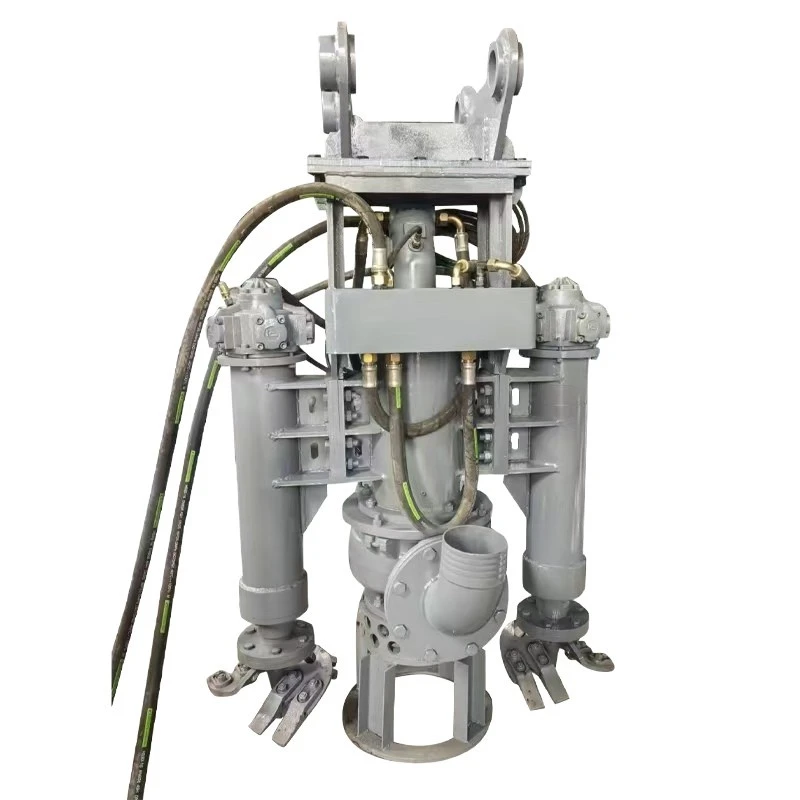

For example, if you're using a FY Series Submersible Pumps, you need a gate valve that can handle the specific flow rate and pressure of this type of pump. The same goes for other pumps like the Is / ISR Type Centrifugal Pump, Hydraulic-driven Sand Pumping Pump, and ZJQ Type Submersible Slurry Pump.
Maintenance and Cost
Don't forget about maintenance and cost when choosing a gate valve. Some valves are easier to maintain than others, and this can save you time and money in the long run. Look for valves that have easily replaceable parts and clear maintenance instructions.
Cost is also a factor, but remember that the cheapest option might not always be the best. You want to balance the initial cost with the valve's durability and performance. A more expensive valve that lasts longer and requires less maintenance can actually be a better investment.
Making the Final Decision
Once you've considered all these factors, it's time to make a decision. You might want to consult with a valve expert or someone from our mine slurry pump supply team. We can give you more detailed advice based on your specific needs.
If you're still not sure which gate valve is right for your mine slurry pump system, feel free to reach out. We've got the experience and knowledge to help you find the perfect fit. Whether you're dealing with a small-scale mine or a large industrial operation, we can assist you in making the best choice.
In conclusion, choosing a suitable gate valve for a mine slurry pump system involves considering factors like material, size, pressure rating, operating conditions, and compatibility with your pump. By taking the time to make an informed decision, you can ensure the smooth and efficient operation of your system.
If you're interested in learning more about our mine slurry pumps or need help with choosing a gate valve, don't hesitate to get in touch. We're here to support you in your mining operations.
References
- "Valve Handbook" by Valve Manufacturers Association
- "Mining Slurry Pump Systems: Design and Operation" by various industry experts


