

What is the noise level of a corrosion - resistant screw pump?
As a supplier of Corrosion-resistant Screw Pump, I often get asked about the noise level of our products. Noise is an important factor to consider, especially in industrial settings where excessive noise can lead to various issues, including worker discomfort, hearing damage, and non - compliance with environmental noise regulations.
Understanding the Basics of Noise in Screw Pumps
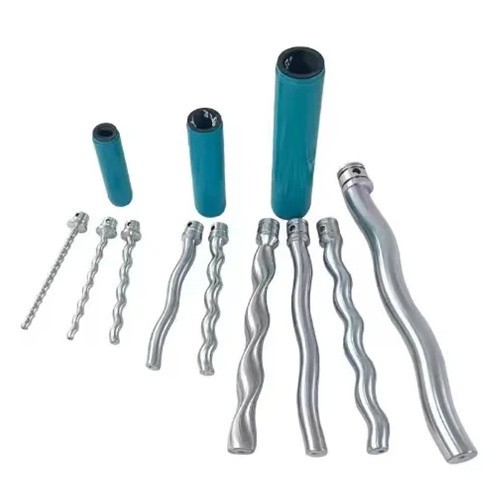
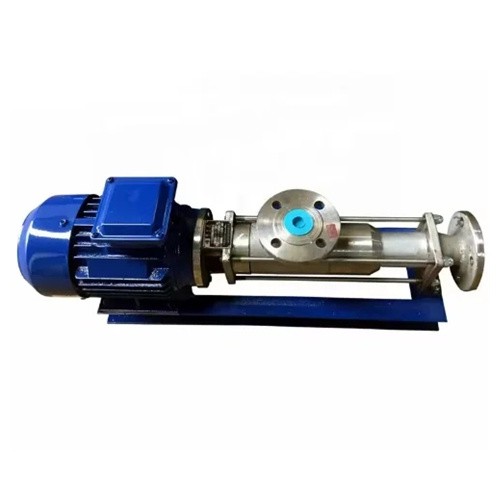
A corrosion - resistant screw pump is a positive displacement pump that uses screws to move fluid through the pump. The interaction between the screws, the fluid, and the pump housing generates noise. The noise level is typically measured in decibels (dB). A normal conversation usually occurs at around 60 dB, while a quiet library might have a noise level of about 40 dB. In industrial environments, noise levels can be much higher.
The noise level of a corrosion - resistant screw pump can be influenced by several factors. One of the primary factors is the design of the pump. Well - designed pumps with precision - machined screws and a well - engineered housing can operate more quietly. For example, pumps with a smooth internal surface reduce turbulence, which in turn reduces noise.
The speed of the pump also plays a significant role. Higher rotational speeds generally result in more noise. This is because at higher speeds, the screws interact with the fluid more rapidly, creating more vibrations and noise. Additionally, the type of fluid being pumped can affect the noise level. Viscous fluids may cause more noise as they require more force to be moved through the pump.
Measuring the Noise Level
To accurately measure the noise level of a corrosion - resistant screw pump, specialized equipment is used. Sound level meters are commonly employed to measure the sound pressure level in decibels. These meters are placed at a specific distance from the pump, usually at a standard distance of 1 meter from the pump's outer casing.
When measuring the noise level, it is important to consider the background noise in the environment. Background noise can interfere with the accurate measurement of the pump's noise. To account for this, measurements are often taken in a controlled environment or by using noise - cancellation techniques.
Noise Reduction Techniques
As a supplier, we are committed to providing low - noise corrosion - resistant screw pumps. There are several techniques that can be used to reduce the noise level of these pumps.
One approach is to use vibration isolation mounts. These mounts are placed between the pump and its base. They absorb the vibrations generated by the pump, preventing them from being transmitted to the surrounding environment. This can significantly reduce the overall noise level.
Another technique is to optimize the pump's design. By using advanced computer - aided design (CAD) software, we can design the screws and the housing in a way that minimizes noise. For example, the shape and pitch of the screws can be adjusted to reduce the turbulence and the impact of the fluid on the pump components.
We also offer sound - enclosing cabinets for our pumps. These cabinets are made of sound - absorbing materials and are designed to enclose the pump completely. They can reduce the noise level by up to 20 dB, depending on the design and the materials used.
Industry Standards and Regulations
There are various industry standards and regulations regarding noise levels in industrial settings. For example, in many countries, the Occupational Safety and Health Administration (OSHA) has set limits on the noise exposure of workers. These limits are designed to protect workers from hearing damage.
As a responsible supplier, we ensure that our corrosion - resistant screw pumps comply with these standards. Our pumps are tested to meet the noise level requirements set by relevant regulatory bodies. This not only ensures the safety of the workers but also helps our customers avoid potential fines and legal issues.
Importance of Low - Noise Pumps in Different Applications
Low - noise corrosion - resistant screw pumps are essential in many applications. In the food and beverage industry, for example, quiet pumps are required to maintain a clean and comfortable working environment. Excessive noise can be a distraction for workers and may also affect the quality of the products being processed.
In the pharmaceutical industry, low - noise pumps are crucial for maintaining a sterile and quiet environment. Noise can disrupt the sensitive processes involved in drug manufacturing, and it can also be a source of contamination.
In marine applications, low - noise pumps are preferred to reduce the impact on marine life. Excessive noise in the water can disrupt the behavior and communication of marine animals.
Conclusion
In conclusion, the noise level of a corrosion - resistant screw pump is an important consideration for our customers. As a supplier, we understand the significance of providing pumps with low noise levels. We use advanced design and manufacturing techniques to ensure that our pumps operate quietly while maintaining high performance.
If you are interested in our Corrosion-resistant Screw Pump and would like to discuss your specific requirements, we encourage you to contact us for a detailed consultation. Our team of experts is ready to assist you in finding the right pump for your application.
References
- American National Standards Institute (ANSI). (Year). ANSI/ASA S12.1 - 2014 Acoustical Terminology.
- Occupational Safety and Health Administration (OSHA). (Year). Occupational Noise Exposure Standards.
- Pump Manufacturers Association. (Year). Guidelines for Measuring and Reducing Pump Noise.


